What Are Neurodegenerative Diseases?
Neurodegenerative diseases are conditions that slowly damage the brain and nerves. For example, Parkinson’s disease and Alzheimer’s disease are common types. These illnesses often cause problems with movement, memory, and thinking. Over time, symptoms can get worse. Because of this, people with these diseases need extra support, especially during winter.
How Winter Affects Neurodegenerative Conditions
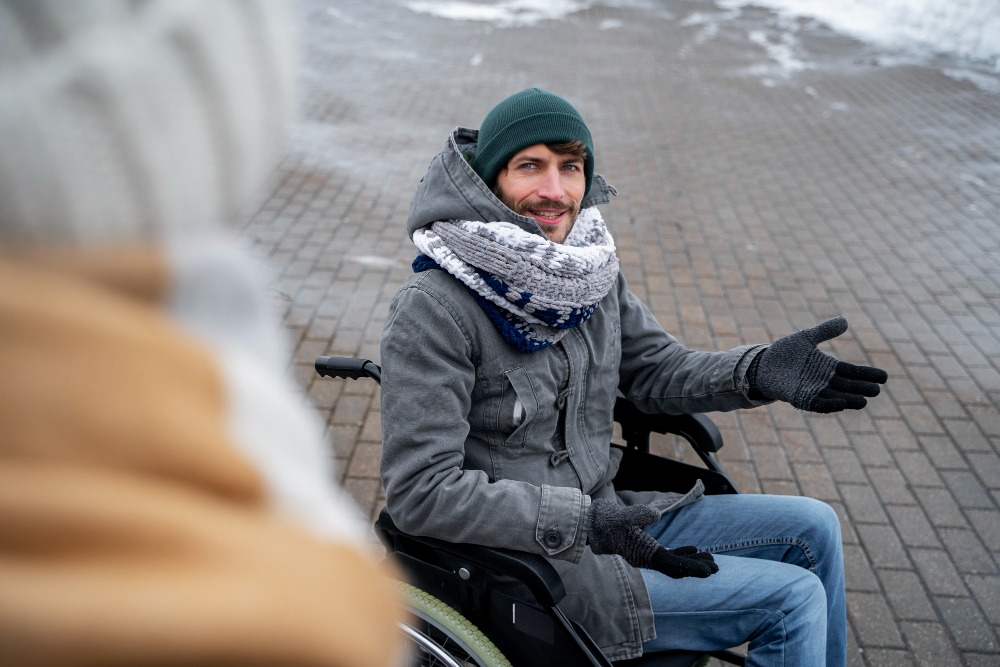
Winter brings cold weather, shorter days, and less sunlight. As a result, people with neurodegenerative diseases may face more health risks. For instance, cold temperatures can make muscles stiff. This can make moving around harder for those with Parkinson’s disease. In addition, less sunlight can affect mood and sleep. According to the CDC, winter can also increase the risk of infections and falls. Therefore, special care is needed during this season.
Common Winter Challenges for Patients
During winter, people with neurodegenerative diseases may face several challenges. Some of the most common include:
Because of these challenges, winter care for Parkinson’s and Alzheimer’s is very important.
Essential Winter Care Tips for Neurodegenerative Diseases
With the right steps, you can help keep loved ones safe and comfortable. Here are some helpful tips:
Moreover, regular routines can help reduce confusion and stress.
Prevention and Safety Measures During Cold Weather
Taking extra steps can prevent many winter risks. For example, always check the weather before going outside. If it is icy, try to stay indoors. If you must go out, use a cane or walker for support. In addition, ask someone to clear snow or ice from walkways. Keep emergency numbers handy in case of falls or sudden illness. Furthermore, get the flu vaccine to lower the risk of infection. According to the WHO, vaccines are safe and helpful for older adults.
When to Seek Medical Help
Sometimes, problems can happen even with good care. Therefore, watch for warning signs, such as:
If you notice any of these, call a doctor or visit the hospital right away. Early help can prevent serious problems.
Conclusion
Winter can be hard for people with neurodegenerative diseases. However, with special care, many risks can be managed. Always watch for changes in health and take steps to stay safe. For the best advice, consult a neurologist for personalized winter care guidance.