
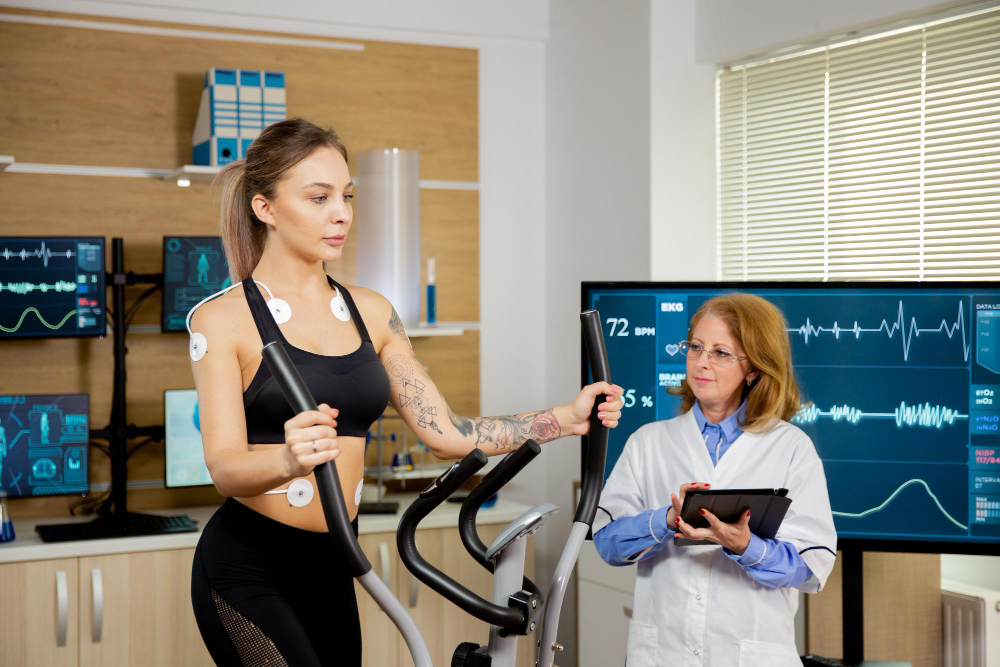
What is Heart Rate Variability (HRV)?
Heart Rate Variability, or HRV, is a simple way to measure the time between each heartbeat. Unlike a steady drumbeat, your heart does not beat at the exact same pace every second. Instead, the time between beats changes slightly. This small change is called variability. HRV-guided lifestyle interventions use this information to help you understand your body’s recovery and stress levels. Many fitness trackers and smartwatches can now measure HRV easily at home.
The Science Behind HRV and Physiological Recovery
HRV is a window into your body’s nervous system. When you are calm and rested, your HRV is usually higher. But when you are stressed or tired, your HRV drops. According to the World Health Organization and recent medical studies, a higher HRV often means your body is recovering well. On the other hand, a low HRV can signal that you need more rest. Therefore, measuring physiological recovery with HRV gives you real-time feedback about your health.
How HRV-Guided Lifestyle Interventions Work
HRV-guided lifestyle interventions use your HRV data to help you make better choices. For example, if your HRV is low, you might need to rest more or avoid hard exercise. If your HRV is high, your body is ready for activity. Many apps and devices offer real-time HRV tracking. They suggest changes in your daily routine based on your HRV. This way, you can adjust your sleep, exercise, and stress management for better recovery.
Benefits of Measuring Real Physiological Recovery with HRV
Because HRV-guided recovery is based on your own data, it is personal and effective. In addition, many people find it easy to use with today’s technology.
Practical Tips for Using HRV in Daily Life
For best results, combine HRV lifestyle interventions with healthy habits. For example, eat well, sleep enough, and stay active. Over time, you will notice patterns that help you make better choices.
Limitations and Considerations
While HRV is a helpful tool, it is not perfect. Many things can affect your HRV, such as illness, caffeine, or even a poor night’s sleep. Therefore, do not rely on HRV alone to judge your health. Instead, use it as one part of your overall wellness plan. Always talk to a healthcare provider if you notice big changes or have health concerns.
Prevention and Lifestyle Guidance
To keep your HRV healthy, focus on good daily habits. For instance, get enough sleep, eat balanced meals, and manage stress. Regular exercise also helps. However, listen to your body and adjust your activity based on your HRV. This approach can prevent overtraining and support long-term health. HRV-guided lifestyle interventions make it easier to spot problems early and take action.
In summary, HRV-guided lifestyle interventions offer a simple way to measure real physiological recovery. They help you make smart choices for your health every day. Consult a healthcare specialist to learn how HRV-guided lifestyle interventions can support your recovery.