
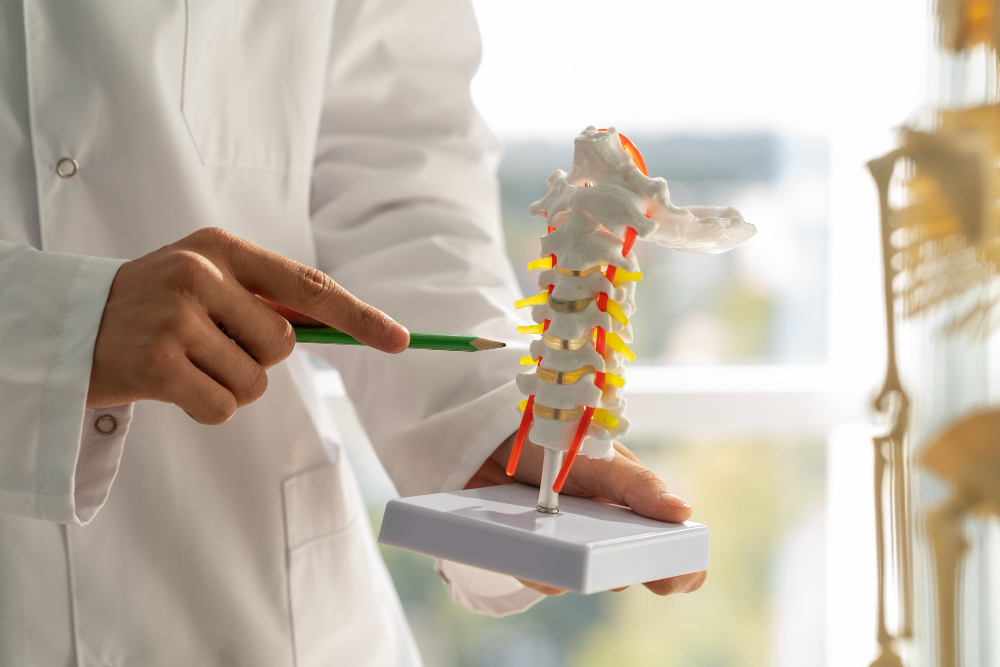
What Are Spinal Fractures?
Spinal fractures are breaks or cracks in the bones of your spine. These bones are called vertebrae. When a spinal fracture happens, it can cause pain and other problems. The spine helps support your body and protects your spinal cord. Because of this, spinal injuries need quick attention. Many people with spinal fractures also have back pain or trouble moving. According to the CDC, spinal fractures are common after falls or car accidents. In some cases, weak bones can also lead to vertebral fractures.
Common Symptoms of Spinal Fractures
Spinal fractures can cause many symptoms. However, not everyone feels the same signs. Early treatment can help prevent more damage. Look for these common symptoms:
Sometimes, people think back pain is from a muscle strain. But if you have any of these symptoms after an injury, seek help right away.
Causes and Risk Factors
Many things can cause spinal fractures. For example, a hard fall or car crash can break the bones in your spine. In older adults, weak bones from osteoporosis are a common cause. Here are some main causes and risk factors:
Additionally, people with low bone density or certain health problems have a higher risk. Smoking and not getting enough calcium can also weaken bones.
How Spinal Fractures Are Diagnosed
Doctors use several steps to diagnose spinal fractures. First, they ask about your symptoms and how the injury happened. Next, they check your back and nerves. To see the bones clearly, doctors often use imaging tests. These may include:
Sometimes, blood tests help find out if weak bones are the cause. Early diagnosis is important for the best spine health and recovery.
Treatment Options for Spinal Fractures
Treatment depends on the type and cause of the spinal fracture. For mild fractures, rest and a back brace may be enough. However, some people need more care. Here are common treatment options:
Doctors choose the best treatment based on your age, health, and the type of spinal injury. In many cases, early treatment helps you return to normal activities faster.
Prevention and Lifestyle Tips
While not all spinal fractures can be prevented, you can lower your risk. For example, keeping your bones strong is important. Try these tips for better spine health:
In addition, talk to your doctor about ways to protect your back, especially if you have osteoporosis or a history of spinal injury.
When to See a Doctor
If you have sudden back pain after a fall or accident, see a doctor right away. Also, if you notice numbness, weakness, or loss of control over your bladder or bowels, get help fast. Early care can prevent more serious problems. Even if your pain seems mild, it is better to be safe and check for a vertebral fracture.
For expert care, consult a neurology or spine specialist for personalized advice on spinal fractures.