
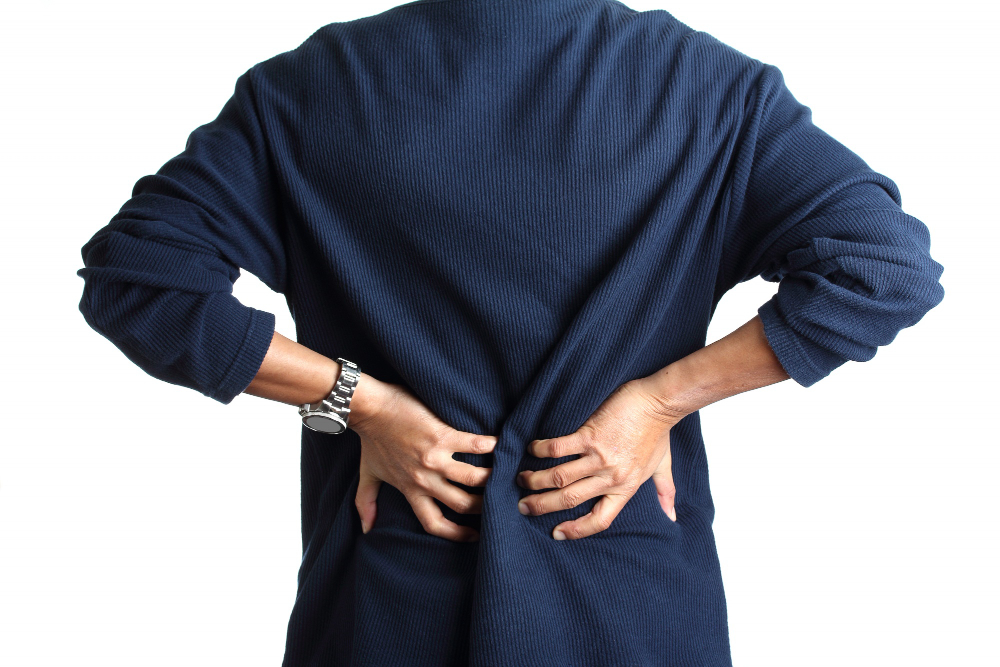
What is Disc Prolapse?
Disc prolapse, also called a herniated disc, is a common spinal problem. It happens when the soft part inside a spinal disc pushes out through a crack in the tougher outside layer. Because of this, the disc can press on nearby nerves. This may cause pain, numbness, or weakness. Many people with disc prolapse experience lower back pain. Sometimes, it is also called a slipped disc. Although disc prolapse can sound scary, it is treatable. Understanding spinal disc problems helps you make better choices for your spinal health.
Common Symptoms of Disc Prolapse
Disc prolapse can cause different symptoms. These depend on where the disc is and which nerves are affected. However, some signs are more common than others. For example, you may feel:
Sometimes, symptoms are mild. But in other cases, they can be severe and affect daily life. If you notice sudden loss of bladder or bowel control, seek help right away. This can be a sign of a serious problem.
Causes and Risk Factors
Disc prolapse can happen for many reasons. Most often, it is due to wear and tear as we age. Over time, spinal discs lose water and become less flexible. This makes them more likely to tear or break. In addition, certain factors can raise your risk:
Sometimes, a fall or injury can also cause a herniated disc. But often, it happens slowly over time.
How is Disc Prolapse Diagnosed?
Doctors use several steps to diagnose disc prolapse. First, they ask about your symptoms and medical history. Next, they do a physical exam to check your strength, reflexes, and feeling in your arms or legs. If needed, your doctor may order tests such as:
With these tests, doctors can find the exact spot of the problem. This helps guide the best treatment plan.
Treatment Options for Disc Prolapse
Treatment for disc prolapse depends on your symptoms and how severe they are. Most people get better with simple treatments. For example, your doctor may suggest:
Sometimes, doctors may recommend injections to reduce swelling around the nerve. In rare cases, surgery may be needed. Neurosurgery treatments can remove the part of the disc pressing on the nerve. However, most people do not need surgery.
Lifestyle Tips and Prevention
There are steps you can take to lower your risk of disc prolapse. Even after treatment, these tips can help protect your spine:
By following these tips, you can support your spinal health and lower your risk of future problems.
When to See a Doctor
Most back pain gets better with rest and care. However, you should see a doctor if:
Early treatment can prevent problems from getting worse. Therefore, do not wait if you have serious symptoms.
Conclusion
Disc prolapse is a common cause of back pain. It can affect your daily life, but most people recover with simple treatments. If you have symptoms, consult a neurologist or neurosurgeon for personalized advice on disc prolapse. Taking care of your spine today can help you stay active and healthy in the future.