What is Chiari Malformation?
Chiari Malformation is a condition where part of the brain, called the cerebellum, pushes down into the space at the base of the skull. This area is known as the skull base. Because of this, pressure builds up and can affect the flow of fluid around the brain and spinal cord. As a result, people may experience a range of symptoms. Chiari Malformation can affect both children and adults. Early diagnosis and treatment can help relieve pressure at the skull base and improve quality of life.
Symptoms and Warning Signs
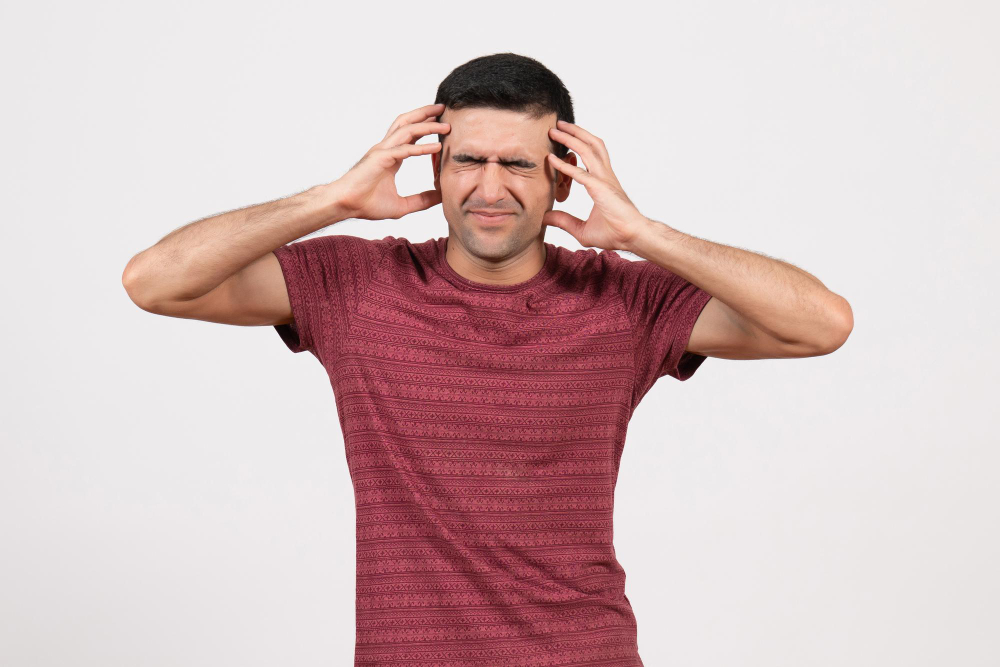
Many people with Chiari Malformation may not notice symptoms at first. However, as pressure increases at the skull base, signs can appear. For example, you might feel:
Sometimes, symptoms can get worse when you cough, sneeze, or strain. If you notice any of these warning signs, it is important to talk to a doctor.
Causes and Risk Factors
Chiari Malformation often happens because the skull is too small or shaped in a way that does not leave enough room for the brain. This can be present from birth. In some cases, it may develop later in life due to injury, infection, or other health problems. Although the exact cause is not always clear, certain factors can raise the risk, such as:
Knowing these risk factors can help with early detection and care.
Diagnosis and Tests
Doctors use several tests to diagnose Chiari Malformation. First, they will ask about your symptoms and medical history. Next, they may order imaging tests, such as:
Sometimes, doctors may use other tests to check how well the nerves are working. Early diagnosis helps guide the best treatment for relieving pressure at the skull base.
Treatment Options for Relieving Pressure at the Skull Base
Treatment for Chiari Malformation depends on the severity of symptoms. For mild cases, doctors may suggest regular check-ups and pain relief. However, if symptoms are severe or getting worse, surgery may be needed. The main goal is to relieve pressure at the skull base and restore normal fluid flow. Common treatments include:
After surgery, many people feel better and have fewer symptoms. Still, follow-up care is important for long-term health.
Lifestyle Tips and Self-Care
Even after treatment, daily habits can help manage symptoms and support neurological health. For example:
Additionally, joining a support group can help you connect with others facing similar challenges.
Prevention and Outlook
Because Chiari Malformation is often present from birth, it cannot always be prevented. However, early detection and treatment can greatly improve outcomes. Most people who receive care for relieving pressure at the skull base can lead active lives. Regular check-ups with a neurologist or neurosurgeon are important to monitor your health and prevent complications.
In summary, if you or a loved one has symptoms of Chiari Malformation, do not wait. Consult a neurologist or neurosurgeon for personalized advice on Chiari Malformation and the best ways to relieve pressure at the skull base.