Introduction
Minimally invasive endoscopic spine surgery is changing the way doctors treat back and neck problems. This modern approach uses small cuts and special tools to fix spine issues. As a result, more people are choosing this method for relief. In this blog, we will explore the benefits of minimally invasive endoscopic spine surgery and why it is becoming so popular.
What Is Minimally Invasive Endoscopic Spine Surgery?
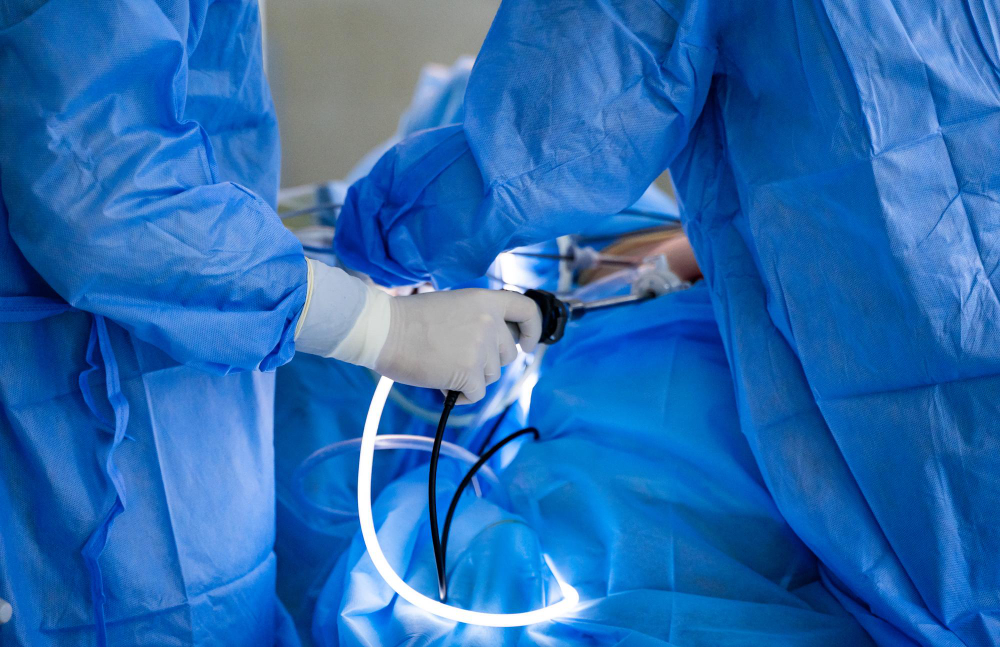
Minimally invasive endoscopic spine surgery is a type of back surgery. It uses tiny cuts and a thin tube with a camera, called an endoscope. The surgeon can see inside the body and fix the problem without making large cuts. Because of this, the surgery is less stressful on the body. Doctors use this method to treat problems like herniated discs, spinal stenosis, and some types of back pain.
How Does It Differ from Traditional Spine Surgery?
Traditional spine surgery often needs a large cut in the back. This can lead to more pain, longer healing, and bigger scars. In contrast, minimally invasive endoscopic spine surgery uses much smaller cuts. The surgeon uses special tools and a camera to work with great care. As a result, there is less damage to muscles and tissues. This means patients often feel better sooner and have fewer problems after surgery.
Major Benefits of Minimally Invasive Endoscopic Spine Surgery
Less Pain and Scarring
First, smaller cuts mean less pain after surgery. Patients often need fewer pain medicines. Also, the scars are much smaller and heal faster. Because of this, many people feel more comfortable with their appearance after surgery.
Faster Recovery Time
With less damage to the body, healing is quicker. Many patients return to normal activities sooner than with traditional surgery. For example, some people can go back to work or exercise in just a few weeks.
Reduced Risk of Complications
Since the cuts are small, there is less chance of infection or blood loss. Also, the risk of muscle damage is lower. This helps patients avoid problems that can happen with bigger surgeries.
Shorter Hospital Stay
Most patients spend less time in the hospital. Some even go home the same day. This means less time away from family and work. It also lowers the cost of care.
Improved Outcomes
Many people have better results with minimally invasive spine surgery. They report less pain, better movement, and a quicker return to daily life. Studies from trusted sources, like the CDC and medical journals, support these findings.
Who Is a Good Candidate?
Not everyone needs or can have minimally invasive endoscopic spine surgery. However, it is often a good choice for people with:
Still, your doctor will check your health and decide if this surgery is right for you. Sometimes, traditional surgery may be better for complex cases.
What to Expect During and After the Procedure
Before surgery, your doctor will explain the steps. Usually, you will get medicine to help you relax or sleep. The surgeon makes a small cut and inserts the endoscope. With the camera, the doctor can see and fix the problem. The surgery often takes less time than open surgery. Afterward, you may feel some soreness, but it is usually mild. Most people can walk soon after the procedure. Recovery is often quick, and you may go home the same day or after one night.
Frequently Asked Questions
Prevention and Lifestyle Tips for Spine Health
Even after surgery, it is important to care for your spine. Here are some tips to keep your back healthy:
By following these tips, you can help prevent future back problems.
Conclusion
In summary, minimally invasive endoscopic spine surgery offers many benefits. These include less pain, faster recovery, and better results. If you have ongoing back pain, talk to a qualified neurosurgeon. They can help you decide if this surgery is right for you.