What is a Stroke?
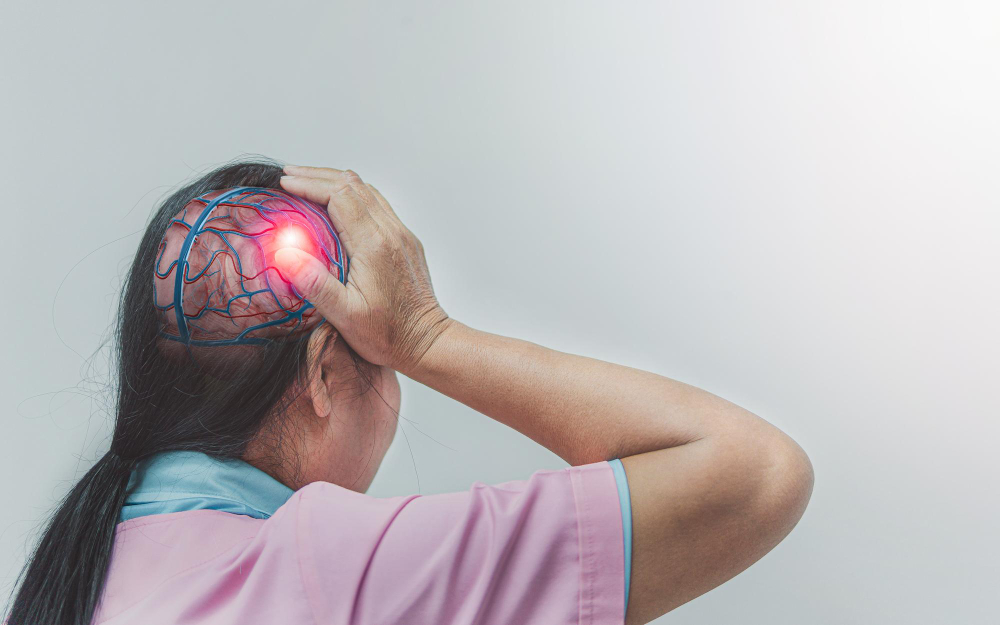
A stroke happens when blood flow to part of the brain stops. Because the brain needs oxygen, this can cause brain cells to die. As a result, stroke is a medical emergency. Early treatment can save lives and lower the risk of long-term problems. According to the CDC, stroke is a leading cause of death and disability worldwide. Therefore, knowing about stroke symptoms and treatment is important for everyone.
Common Symptoms of Stroke
Recognizing stroke symptoms early can save lives. Although symptoms may appear suddenly, they can vary from person to person. However, some signs are more common. If you notice any of these, act fast:
For example, you might see a person’s face droop on one side. Or, they may have trouble raising both arms. These are clear signs of stroke.
Causes and Risk Factors
There are two main types of stroke: ischemic and hemorrhagic. Ischemic stroke happens when a blood clot blocks a vessel in the brain. On the other hand, hemorrhagic stroke occurs when a blood vessel bursts. Both types stop blood from reaching brain cells.
Many risk factors can increase your chance of stroke. Some you can control, while others you cannot. Common risk factors include:
Because some risks can be managed, healthy lifestyle choices matter.
How Stroke is Diagnosed
Doctors use several steps to diagnose a stroke. First, they check your symptoms and medical history. Next, they may do a physical exam. After that, tests help confirm the diagnosis. Common tests include:
Because time is critical, doctors act quickly to find the cause and start treatment.
Treatment Options for Stroke
Treatment depends on the type of stroke. For ischemic stroke, doctors may use clot-busting drugs. These work best if given within a few hours. Sometimes, they may remove the clot with a special device. For hemorrhagic stroke, stopping the bleeding is key. Surgery or other procedures may be needed.
After the emergency, stroke care often includes:
Because recovery can take time, support from family and health teams is important.
Prevention Tips and Lifestyle Guidance
Although not all strokes can be prevented, many steps lower your risk. For example, you can:
Because small changes add up, start with one healthy habit at a time. Over time, these steps can make a big difference in stroke prevention.
When to Seek Emergency Help
If you or someone you know shows signs of stroke, call emergency services right away. Do not wait, even if symptoms go away. Fast action can save brain cells and improve recovery. Remember the word FAST:
Because every minute counts, quick treatment is vital.
If you or someone you know experiences symptoms of stroke, seek emergency medical attention immediately. For personalized advice, consult a neurology specialist.