What Is Traumatic Brain Injury?
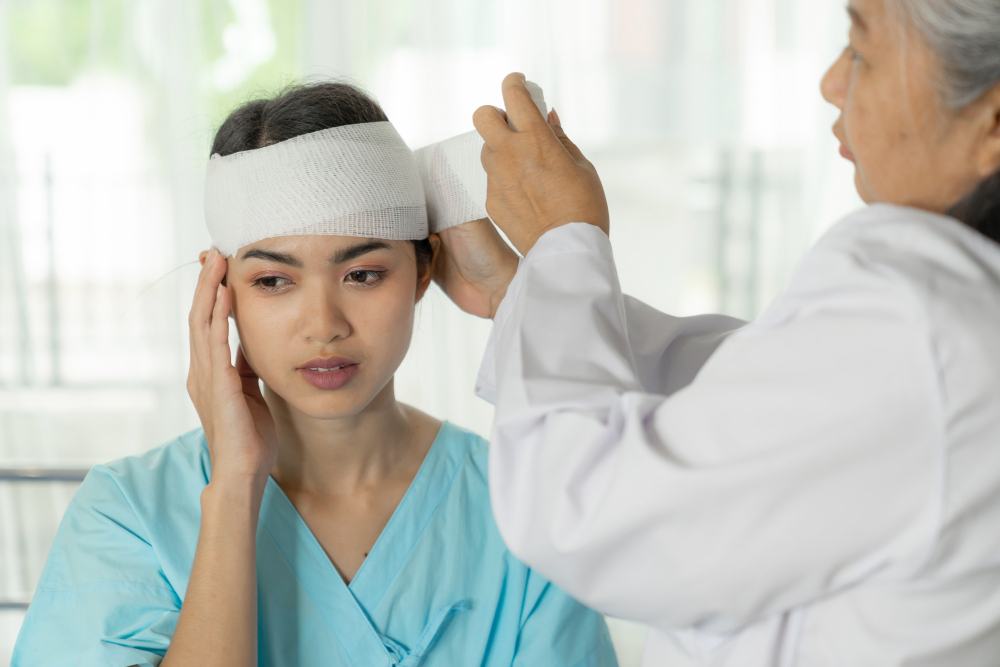
Traumatic brain injury, or TBI, happens when a sudden force injures the brain. This can result from a blow, bump, or jolt to the head. Sometimes, an object may pierce the skull and damage brain tissue. TBI can be mild, moderate, or severe. Even mild injuries need attention, as symptoms may get worse over time. According to the CDC, millions of people worldwide experience TBI each year.
Common Symptoms and Warning Signs
After a traumatic brain injury, symptoms may appear right away or develop later. Early recognition is important. For example, mild TBI (often called a concussion) may cause:
However, moderate or severe TBI can lead to more serious signs, such as:
If you notice any of these symptoms, seek medical help right away. Early treatment can prevent further harm.
Main Causes and Risk Factors
Many things can cause a traumatic brain injury. Most often, TBI results from:
Some people face higher risk. For instance, young children, teenagers, and seniors are more likely to get TBI. People who play contact sports or work in risky jobs also face greater danger. Using seat belts and helmets can lower your risk.
Diagnosis Methods and When to Seek Medical Help
Doctors use several steps to diagnose traumatic brain injury. First, they ask about the injury and symptoms. Next, they check alertness, memory, and movement. Sometimes, they use imaging tests like CT scans or MRI to look for damage inside the brain. If you have a head injury and feel confused, sleepy, or have trouble waking up, get help right away. Quick action can save lives and improve recovery.
Treatment Options for Traumatic Brain Injury
Treatment depends on how serious the injury is. For mild TBI, rest and close monitoring may be enough. However, moderate or severe cases need more care. Treatment options include:
Recovery can take weeks or months. With the right support, many people improve over time.
Lifestyle Guidance and Recovery Tips
After a traumatic brain injury, taking care of yourself is key. Here are some helpful tips:
Remember, everyone heals at their own pace. If you notice new or worsening symptoms, contact your doctor right away.
How to Prevent Traumatic Brain Injury
Prevention is always better than treatment. You can lower your risk of TBI by following these steps:
By staying alert and taking simple steps, you can help protect yourself and your loved ones from traumatic brain injury.
Conclusion
In summary, traumatic brain injury is a serious health issue. Early recognition, proper treatment, and prevention can make a big difference. If you or someone you know has signs of TBI, do not wait. Consult a neurologist or neurosurgeon for personalized advice on traumatic brain injury.